Public Decision Trees Directory
Browse decision trees published by the Draw Decision Tree community. Every tree below is an interactive wizard you can run in your browser or embed in your own site — grouped by author.
76 public decision trees from 6 authors.
What you'll find here
Every tree is authored using the Draw Decision Tree DSL — a human-readable format for describing questions, answers, and outcomes. Trees cover topics from engineering trade-offs (API design, database engines, deployment strategies) to operations (finance approvals, HR classification, legal review levels) to customer success (renewal strategy, escalation paths). See the guides for background or the DSL reference to author your own.
Andrew(gmail) Bush (3 trees)

Authentication Method Selection
Authentication is a security-critical, high-friction decision to reverse — migrating users from one auth method to another requires coordinated password resets or credential migration campaigns. This tree eliminates methods that don't match your user type, enterprise requirements, and security posture, giving you a clear shortlist before you write a line of code.

Caching Strategy Selection
Premature or misapplied caching adds complexity — stale data bugs, invalidation logic, and distributed consistency problems — without solving the actual bottleneck. This tree routes you to the caching pattern that matches your data access profile, so you apply the right tool to the right problem rather than defaulting to Redis for everything.

Which data visualisation type should I use?
Quickly identify the most effective chart or visualisation type for your dataset. Answer questions about your data's shape, what story you want to tell, and whether geography plays a role to narrow down to the best option.
Andrew (66 trees)
Which API design pattern is right for my project?
Determine the right API design style for your integration scenario.

CI/CD Pipeline Tool Selection
Choosing a CI/CD platform is a long-term infrastructure commitment — pipelines accumulate config, custom scripts, and team muscle memory that make switching painful. This tree eliminates tools that don't fit your source control host, infrastructure model, or team scale, leaving only the options genuinely viable for your situation.

Which cloud provider should I use — AWS, Azure, or Google Cloud?
Answer a few questions to identify the most suitable cloud platform for your workload.

Container Orchestration Platform Selection
Container orchestration is foundational infrastructure — the platform you choose shapes how you deploy, scale, network, and operate every service you run. This tree eliminates options that don't match your operational maturity, cloud provider commitment, and workload complexity, so you land on the platform that fits your team today without over-engineering for a scale you haven't reached.

How do I assess the health of a customer account?
Classify a customer's health score to guide proactive engagement and retention strategy. Use this tree during your regular account reviews or whenever a trigger event—such as a low NPS, a support spike, or a missed check-in—prompts a reassessment. The outcome drives the cadence and urgency of your next CSM action.

How should I escalate this customer issue?
Determine the appropriate escalation path when a customer issue exceeds normal CSM handling. This tree helps you move quickly and confidently when a situation is deteriorating, ensuring the right people are engaged at the right time. Use it the moment you sense an issue may outgrow your ability to resolve it alone.

Is this customer ready for an expansion or upsell conversation?
Evaluate whether an existing customer is ready for an upsell or cross-sell conversation and determine the right next action. Acting on expansion signals too early—before a customer has fully adopted the core product—can damage trust and accelerate churn. This tree helps you distinguish genuine expansion readiness from surface-level interest so you invest your time in opportunities with the highest probability of closing.

Which customer onboarding track should I use?
Determine which onboarding track a new customer should follow based on their contract size, technical profile, and implementation complexity. Routing a customer to the right track from day one directly impacts time-to-value, adoption rates, and long-term retention. Use this tree as soon as a deal is closed and before the kickoff call is scheduled.

Which renewal strategy should I use for this customer?
Determine the right renewal approach for an upcoming contract based on account health, product adoption trends, and commercial signals. Use this tree at least 90 days before a renewal date to give your team enough runway to execute the recommended strategy. The outcome maps directly to a specific CSM playbook and internal resource allocation.
Which BI and analytics tool should I choose?
Select the right business intelligence or analytics tool for your team's technical profile, cloud environment, and operational constraints. This tree weighs skill level, hosting preferences, and the importance of a governed semantic layer to surface the best-fit platform.

Should I use machine learning or rule-based logic for this problem?
Decide whether your prediction or classification problem calls for hand-crafted rules, a classical ML model, deep learning, or a pre-built AI API. Answering questions about your data volume, explainability needs, and problem complexity will surface the approach with the best effort-to-value ratio.

How should I respond to a data quality issue?
Determine the appropriate response when a data quality issue is discovered in a pipeline, dataset, or report. This tree helps data engineers and analysts triage severity, decide whether to halt or continue processing, and escalate correctly based on impact and regulatory exposure.

Which data storage tier should I use for this dataset?
Determine the appropriate storage tier for a dataset based on access patterns, latency requirements, age, regulatory obligations, and cost sensitivity. The right tier balances data availability against infrastructure spend and compliance risk.
Data Warehouse Design
As a data warehouse product manager responsible for integrating new data sources into a four-tier medallion architecture, use this decision tree to identify the most effective integration strategy. The tool assumes three guiding principles: all data consumption occurs from the final data products layer; the further right the integration point (towards Platinum), the more efficient the processing in terms of storage and compute; and we prefer materialised views over additional storage layers wherever the source system supports it.
Which database engine should I use for my application?
Narrow down the right database engine for your project by answering a series of questions about access patterns, consistency requirements, and scale.

Deployment Strategy Selection
Deployment strategy is one of the highest-leverage engineering decisions for system reliability — the wrong choice turns every release into a stressful event, while the right choice makes deployments routine. This tree routes you to the pattern that matches your infrastructure capabilities, rollback requirements, and confidence level in each release.
How should I version my API?
Choosing the wrong API versioning strategy creates long-term maintenance pain, breaks client integrations, and can stall product evolution. This elimination tree narrows down the right approach—URI path versioning, header versioning, query parameter versioning, or a no-versioning backwards-compatibility contract—by working through the characteristics of your API, its consumers, and your team's operational constraints.

Should we build or buy this software capability?
Deciding whether to build a capability in-house, purchase a commercial product, adopt an open-source solution, or outsource can define a product's trajectory for years. This tree guides engineering and product leaders through the key trade-offs—competitive differentiation, budget, team capacity, time-to-market, and vendor lock-in—to arrive at a defensible, context-appropriate recommendation.
Who should I escalate this on-call incident to?
Every minute an on-call engineer spends deciding who to call is a minute not spent fixing the problem—but over-escalating creates alert fatigue and erodes trust in the paging system. This tree gives on-call engineers a fast, consistent framework for deciding whether to handle an issue solo, wake a secondary, page their engineering lead, or trigger a full incident response with executive and communications involvement.
What level of review does this pull request require?
Applying the same review process to every pull request wastes senior engineering time on trivial changes and under-scrutinises high-risk ones. This tree helps engineers and tech leads determine the appropriate level of review—from self-merge for genuine production hotfixes to full architect sign-off for cross-cutting changes—based on urgency, size, risk, and service boundaries.

How should I prioritise and address this technical debt?
Not all technical debt deserves the same response—some debt is blocking and dangerous, some is a low-priority annoyance, and some is a deliberate trade-off worth keeping on the books. This tree helps engineers and tech leads make a consistent, defensible decision about whether to fix immediately, schedule the work, formally accept the debt, or escalate to a broader architectural conversation.

Who needs to approve my budget request?
Route a spend request to the correct approval authority based on amount, budget status, and strategic nature of the expenditure. Use this tree before raising a purchase order or committing to any supplier to ensure compliance with the Delegated Authority Matrix. Incorrect routing can cause payment delays, contract nullification, and audit findings, so work through each question carefully.
Should this expense be classified as CapEx or OpEx?
Determine whether a cost should be capitalised as a fixed or intangible asset or expensed immediately under IFRS and US GAAP standards. Use this tree at the point of purchase order or invoice review to ensure correct treatment before posting to the general ledger. When in doubt, always confirm final treatment with your management accountant or external auditor.

Who needs to approve this employee expense claim?
Route an employee expense claim to the correct approval or rejection path based on policy compliance, receipt documentation, business purpose, and exception status. Use this tree at the point of claim submission to ensure consistent, auditable treatment across the organisation. All expense claims must comply with the Employee Expenses Policy; refer to the Finance intranet for the current policy version and category limits.

Which FX hedging strategy should I use to manage currency risk?
Determine whether and how to hedge a foreign currency exposure to protect the organisation against adverse exchange rate movements. This tree guides finance and treasury teams from initial exposure identification through to selecting the most appropriate hedging instrument or escalation path. Always review hedging decisions against your Treasury Policy and consult Treasury before executing any derivative transaction.

What payment terms should I negotiate with this vendor?
Determine the most appropriate payment terms to negotiate, offer, or accept when engaging with a vendor or supplier. This tree balances your organisation's cash flow position against supplier leverage, relationship value, and available early payment discounts. Work through each question with reference to your current cash flow forecast and the supplier's profile in your vendor management system.

Frontend Framework Selection
Frontend framework choice shapes hiring, component library selection, and team conventions for years. This tree cuts through the ecosystem noise and eliminates options that don't match your rendering model, performance constraints, or team context — leaving you with a concrete shortlist rather than a five-way comparison.

GDPR Personal Data Classification
Processing personal data without a clear lawful basis is one of the highest-risk compliance failures under GDPR — fines reach 4% of global annual turnover. This tree walks you through the key classification questions for a specific dataset or processing activity, from identifying whether data is personal at all, through lawful basis and special category checks, to international transfer requirements.

Engineering Hire Type
Choosing the wrong hiring model wastes months and budget — bringing on a permanent hire for a short-term need, or using a contractor for work that requires deep product context, both create problems that compound over time. This tree routes you to the engagement model that matches the duration, scope, urgency, and strategic importance of the work.

Where in the salary band should I place this new hire or promotion?
Determines where within a salary band a new hire or promoted employee should be placed. Consistent band placement protects internal equity, supports pay transparency, and reduces the risk of discriminatory pay outcomes. Use this tool in conjunction with the approved salary band for the role level and the most recent external market data.

Which disciplinary step is appropriate for this misconduct?
Guides managers and HR professionals to the appropriate step in the disciplinary process based on the nature and severity of the misconduct. Following the correct procedural step protects the organisation legally and ensures the employee receives a fair process. Always consult HR before initiating any formal disciplinary action.

What type of leave should this absence be classified as?
Guides HR professionals and managers in classifying an employee leave request into the correct leave category. Accurate classification ensures compliance with employment law, correct payroll treatment, and fair application of entitlements. Work through the questions in order using the information provided by the employee at the time of request.

What performance management action is appropriate for this situation?
Determines the appropriate performance management action for an underperforming employee. Use this tree to guide managers through a structured, fair, and legally defensible response to performance concerns. The outcome aligns with progressive discipline principles and HR best practice.

Should I approve this flexible or remote working request?
Determines whether a flexible or remote working arrangement should be approved and at what level. Decisions are based on role characteristics, performance track record, team coverage needs, and compliance readiness. Consistent application of this framework reduces the risk of perceived favouritism and supports a fair flexible working culture.
How severe is this incident and what response does it need?
Public interactive decision tree.
What level of legal review does this contract need?
Determines the appropriate level of legal review a contract requires before execution. Considers contract value, risk profile, template availability, counterparty terms, and the presence of IP, data processing obligations, or regulated activities to route each contract to the right review tier. Use this tool at the outset of any new commercial engagement to avoid under- or over-investing legal resource.
How should I respond to a data breach?
Determines the appropriate response actions following a suspected or confirmed data security incident, from simple internal containment through to full regulatory notification and crisis management. The assessment is calibrated to GDPR obligations under Articles 33 and 34 but is relevant to any privacy regime that imposes breach notification duties. Complete this assessment as soon as a potential incident is identified — time limits for regulatory notification begin from the moment you become aware, not from when the breach is confirmed.

Which dispute resolution method is right for this situation?
Guides the selection of the most appropriate dispute resolution pathway given the nature of the relationship, the value and urgency of the dispute, confidentiality requirements, and any pre-existing contractual dispute resolution obligations. Choosing the right mechanism early avoids unnecessary cost, relationship damage, and procedural delay. This tool should be used at the point a dispute becomes apparent, before any formal steps are taken.
How should I protect this intellectual property — patent, trademark, or copyright?
Narrows down the most appropriate intellectual property protection mechanism for a given asset by evaluating the nature of the creation, its technical character, prior disclosure status, and commercial exploitation intent. The elimination process identifies which protection regimes remain viable given the asset's characteristics. Always validate the outcome with qualified IP counsel before filing, relying on, or publicly communicating any protection strategy.
Which type of NDA do I need — mutual, unilateral, or multilateral?
Guides the selection of the correct non-disclosure agreement structure for a given commercial relationship. Evaluates the direction of information flow, the number of parties involved, the anticipated relationship duration, and whether standard terms are acceptable to ensure the chosen NDA provides proportionate and enforceable protection. Complete this assessment before any confidential information is shared.

Who needs to approve this marketing campaign?
Run a structured go/no-go decision process before launching any marketing campaign. This tree checks the four most common failure points — campaign brief completeness, budget approval, legal and compliance sign-off, and audience list readiness — and routes you to one of four outcomes: Launch as Planned, Launch with Modifications, Delay for Revision, or Do Not Launch.

Which marketing channel should I use for this campaign?
Identify the most effective marketing channel for your campaign from Paid Search (SEM), SEO/Organic, Paid Social, Email, Events, or Influencer/Partnerships. This elimination tree weighs budget availability, audience size, purchase intent level, and time-to-results requirements to surface the channels most likely to deliver ROI for your specific situation.

Which content format should I use for this marketing goal?
Choose the right content format for your marketing initiative by evaluating your audience's awareness stage, the complexity of your message, available production resources, and whether your primary goal is SEO traction or audience engagement. This elimination tree narrows six common formats down to the best fit so your team can invest production effort where it will have the greatest impact.

Which event format is right for my marketing objective?
Determine the right event format for your marketing objective from Virtual Webinar, In-person Conference, Executive Roundtable, Workshop, or Sponsored Event. This decision tree evaluates audience size, budget, your primary goal of relationship-building versus awareness, and whether you are optimising for lead quality or lead volume.

Which influencer tier should I use — nano, micro, macro, or mega?
Select the right influencer tier for your campaign from Nano (<10K followers), Micro (10K–100K), Macro (100K–1M), or Mega/Celebrity (1M+). This decision tree evaluates your campaign goal, budget per partnership, brand safety requirements, and whether you need niche audience precision or broad mass reach to guide you to the tier most likely to deliver your objectives.

Message Queue and Event Bus Selection
Messaging infrastructure is hard to replace once services are built around it — consumer groups, retention policies, and delivery guarantees become load-bearing assumptions embedded in application code. This tree eliminates brokers that don't match your durability, routing, throughput, and operational constraints, so you choose the right foundation before building on it.

Observability Stack Selection
Observability tooling accumulates dashboards, alert configurations, and on-call runbooks that are expensive to migrate. Choosing the wrong platform means either paying for capabilities you don't need or hitting walls when debugging complex production incidents. This tree eliminates options that don't match your cloud footprint, operational capacity, and primary debugging use case.
Which onboarding track should I assign to this new hire?
Public interactive decision tree.

What business continuity response level does this incident require?
Determine the appropriate level of business continuity response to activate when a disruption — whether technical, environmental, or operational — threatens service delivery. Use this tree at the point an incident is declared or a significant disruption is first identified, before committing resources to a response. Activating the right level of response early prevents both under-reaction that allows disruptions to escalate and over-reaction that wastes resources and creates unnecessary alarm.

Should I outsource this business function or keep it in-house?
Determine whether a business function should be kept in-house, partially outsourced, or fully delegated to a managed service provider. Use this tree when reviewing the operating model for any significant function — from IT support to finance processing — before committing to a structural change. A disciplined make-vs-buy analysis protects against both the hidden costs of poor outsourcing decisions and the opportunity cost of retaining non-core work internally.

Should I automate this business process?
Determine the right level of automation for a business process, from keeping it manual through to commissioning custom engineering. Use this tree before purchasing any automation tooling or engaging an implementation partner to ensure the solution is proportionate to the process complexity and volume. Working through each question will help you avoid over-engineering simple tasks and under-investing in high-volume critical workflows.
How do I select the right vendor for this procurement?
Determine the correct vendor selection process for a procurement based on contract value, market competition, switching costs, and regulatory obligations. Use this tree before engaging any supplier or issuing any form of tender document to ensure the process is compliant with your procurement policy and defensible to audit. Selecting the wrong process can expose the organisation to challenge, reputational risk, and contractual disputes.

Should this role be remote, hybrid, or on-site?
Determine the most appropriate workplace model for a team or individual role, covering the full spectrum from fully on-site through to fully remote. Use this tree when onboarding a new role, reviewing an existing team's working arrangements, or responding to a staff request for a change in working pattern. A structured approach ensures decisions are consistent, fair, and grounded in genuine operational requirements rather than habit or personal preference.

How should I prioritise this product feature?
Decide whether and how urgently to prioritise a feature request. Works through customer validation, strategic fit, business impact, and effort to route each request to the right outcome. Use this before committing any request to a sprint or quarterly roadmap.
Does this product fit my needs and use case?
Public interactive decision tree.
Which product metric should I use to measure this feature?
Determine which type of metric best measures a feature or product area you are responsible for. Guides product managers through primary goal, feature maturity, and actionability to select a metric type that drives meaningful decisions rather than vanity reporting. Use during OKR planning, launch prep, or quarterly business reviews.

What should I include in my MVP scope?
Determine whether a capability belongs in the MVP or should be deferred to a later release. Guides PMs through the core user journey, customer commitments, differentiation value, and interim workarounds to make a clear scoping call. Use this during feature kickoff and pre-launch scope reviews.
Which research method should I use for this study?
Choose the right user research method for your current product question. Guides product managers and researchers through hypothesis clarity, sample size needs, product stage, and behavioural versus attitudinal data requirements. Use at the start of any discovery or validation sprint.

How should I prioritise competing roadmap items?
When engineering capacity is constrained, decide what to prioritise across new features, bug fixes, technical debt, performance improvements, and security or compliance work. Guides product managers through urgency, customer impact, and business risk to make a defensible trade-off call. Use during sprint planning, quarterly roadmap reviews, or whenever a new urgent item competes with committed work.

Which sales channel is right for this deal or customer?
Identify the most effective go-to-market channel for a given deal or customer segment by evaluating deal economics, cycle complexity, product fit, and buyer readiness. This elimination tree surfaces the channel that best matches your selling motion — from high-touch field sales to fully self-serve product-led growth.
When and how should I escalate this sales deal?
Determine when and how a sales rep should escalate a deal to leadership, legal, or finance to prevent stalls, reduce risk, and accelerate the path to close. This tree routes based on deal stage, competitive pressure, procurement complexity, and contractual exceptions to ensure the right resources are deployed at the right moment.
Who needs to approve this sales discount?
Quickly route a discount request to the correct approval authority — from rep self-approval to CFO or CEO sign-off — based on discount depth, deal size, strategic account status, and timing. Prevents unauthorized discounting, protects margin, and keeps deals moving without unnecessary delays.

Which sales forecast category should I assign to this deal?
Assign a deal to the correct forecast category based on close date certainty, verbal commitment, procurement status, and champion strength to produce accurate, trustworthy revenue forecasts. Consistent categorization across the team enables leadership to make confident resource and investment decisions without second-guessing pipeline health.
Is this sales lead qualified? A BANT assessment
Walk through the BANT framework to determine whether a prospect is a qualified opportunity worth pursuing. This tree routes your rep to the right next action — whether that's advancing to discovery, nurturing for future pipeline, disqualifying early, or looping in a Senior AE for a complex deal.
How do I troubleshoot this IT issue?
Public interactive decision tree.

Security Vulnerability Triage
Not every CVE is an emergency, and treating them all as one burns out security teams while real risks go unaddressed. This tree applies a consistent, risk-based triage framework — CVSS score, exploit availability, data exposure, and attack surface — to assign each vulnerability to the right response timeline so effort is proportional to actual risk.
Hemanshu Anand (1 tree)
Neil Minshall (1 tree)
Lyra Pak (2 trees)
M&AOperatingSystem (3 trees)
Which API design pattern is right for my project?
Determine the right API design style for your integration scenario.
Practical Data: How many Layers Do I need?
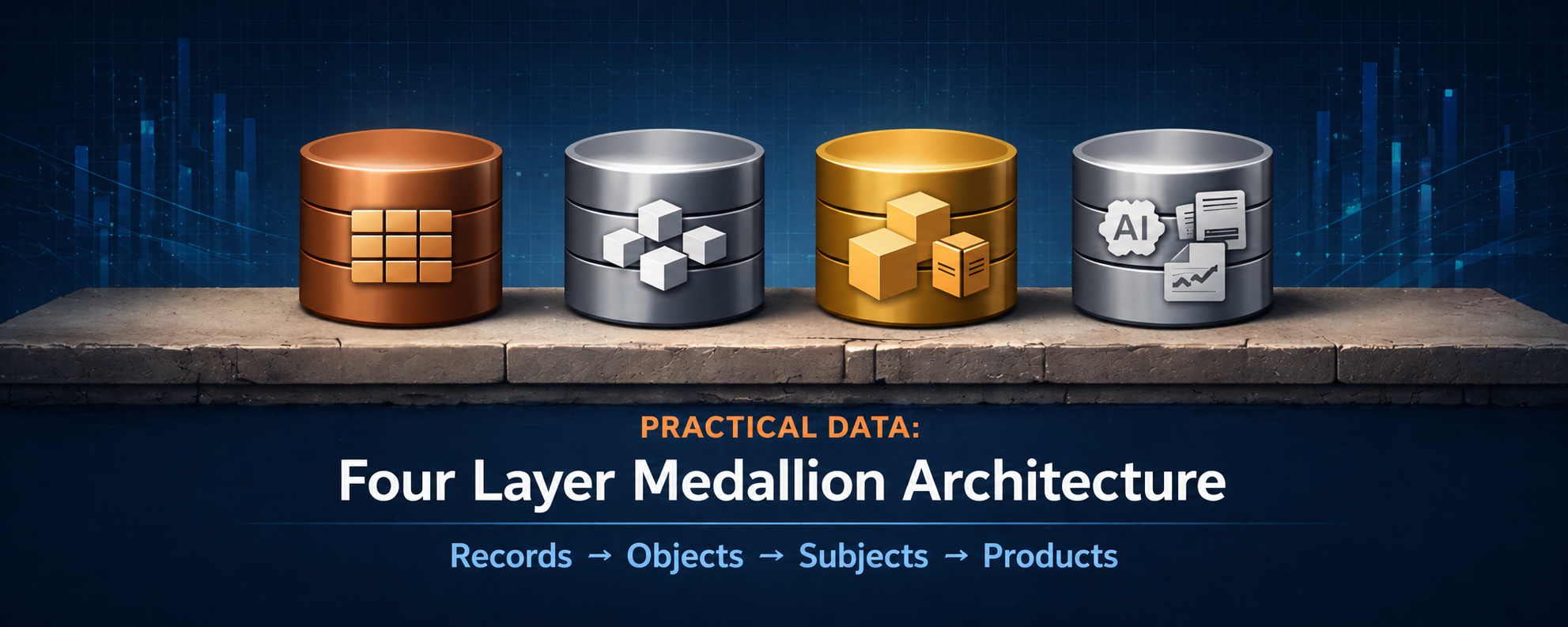
This decision tree is aimed at Chief Data Officers (CDO) and Senior Technical Architects trying to figure out the right medallian style architecturedata warehouse product manager responsible for figuring out the most appropriate mechanism for integrating new data sources to a four-tier data warehouse, use this decision tree to identify the most effectivel integration strategy possible. The tool presumes three architecture principles - i) all data consumption takes place from the final data products layer and ii) The further to the "right" the integration takes place towards platinum, the more efficient the technology data processing (ie less storage and less compute) iii) Finally we prefer to materialise data as views over adding addition storage layers.
Practical Data: Which Layer should I Integrate to?
As a data warehouse product manager responsible for figuring out the most appropriate mechanism for integrating new data sources to a four-tier data warehouse, use this decision tree to identify the most effective integration strategy possible. The tool presumes three architecture principles - i) all data consumption takes place from the final data products layer and ii) The further to the "right" the integration takes place towards platinum, the more efficient the technology data processing (ie less storage and less compute) iii) Finally we prefer to materialise data as views over adding addition storage layers.
All trees
Full alphabetical index for crawlers and quick navigation.
- Andrew(gmail) Bush
- Andrew
- Which API design pattern is right for my project?
- CI/CD Pipeline Tool Selection
- Which cloud provider should I use — AWS, Azure, or Google Cloud?
- Container Orchestration Platform Selection
- How do I assess the health of a customer account?
- How should I escalate this customer issue?
- Is this customer ready for an expansion or upsell conversation?
- Which customer onboarding track should I use?
- Which renewal strategy should I use for this customer?
- Which BI and analytics tool should I choose?
- Should I use machine learning or rule-based logic for this problem?
- How should I respond to a data quality issue?
- Which data storage tier should I use for this dataset?
- Data Warehouse Design
- Which database engine should I use for my application?
- Deployment Strategy Selection
- How should I version my API?
- Should we build or buy this software capability?
- Who should I escalate this on-call incident to?
- What level of review does this pull request require?
- How should I prioritise and address this technical debt?
- Who needs to approve my budget request?
- Should this expense be classified as CapEx or OpEx?
- Who needs to approve this employee expense claim?
- Which FX hedging strategy should I use to manage currency risk?
- What payment terms should I negotiate with this vendor?
- Frontend Framework Selection
- GDPR Personal Data Classification
- Engineering Hire Type
- Where in the salary band should I place this new hire or promotion?
- Which disciplinary step is appropriate for this misconduct?
- What type of leave should this absence be classified as?
- What performance management action is appropriate for this situation?
- Should I approve this flexible or remote working request?
- How severe is this incident and what response does it need?
- What level of legal review does this contract need?
- How should I respond to a data breach?
- Which dispute resolution method is right for this situation?
- How should I protect this intellectual property — patent, trademark, or copyright?
- Which type of NDA do I need — mutual, unilateral, or multilateral?
- Who needs to approve this marketing campaign?
- Which marketing channel should I use for this campaign?
- Which content format should I use for this marketing goal?
- Which event format is right for my marketing objective?
- Which influencer tier should I use — nano, micro, macro, or mega?
- Message Queue and Event Bus Selection
- Observability Stack Selection
- Which onboarding track should I assign to this new hire?
- What business continuity response level does this incident require?
- Should I outsource this business function or keep it in-house?
- Should I automate this business process?
- How do I select the right vendor for this procurement?
- Should this role be remote, hybrid, or on-site?
- How should I prioritise this product feature?
- Does this product fit my needs and use case?
- Which product metric should I use to measure this feature?
- What should I include in my MVP scope?
- Which research method should I use for this study?
- How should I prioritise competing roadmap items?
- Which sales channel is right for this deal or customer?
- When and how should I escalate this sales deal?
- Who needs to approve this sales discount?
- Which sales forecast category should I assign to this deal?
- Is this sales lead qualified? A BANT assessment
- How do I troubleshoot this IT issue?
- Security Vulnerability Triage
- Hemanshu Anand
- Neil Minshall
- Lyra Pak
- M&AOperatingSystem